A Guide to Living after Cancer
This topic, living after Cancer, is so very important to me because I’ve struggled with it, and I still am. I know there are so many people that are and It’s something that is near and dear to me.
My Story
In 2010, I was diagnosed with Leukemia when I was 40 weeks pregnant with my second son. When we were told it was so scary and threw me and my little family’s world upside down. After endless treatments, hospital stays, blood draws, a stem cell transplant, and much more, I was cancer-free. I thought the worst was over, but little did I know that living after cancer has a whole different set of struggles to deal with. And those struggles are something that will live with me forever.
What does ” living with cancer” mean?
Living after a diagnosis of cancer and the following treatments is not without its challenges.
“We are only now beginning to recognize some of the concerns and issues survivors face and what a vulnerable population these individuals constitute. The growing number of individuals in our midst has allowed us to start learning about the challenges survivors can face on a daily basis.”
There is a large range of late complications survivors may experience with the possibility of affecting the quality of life. Most survivors experience late and long-term effects. As a result, those can be more common, serious, and persistent than we often think.
How to deal with life after cancer
After treatment ends, it may be hard to know how to resume normal activities. There is no simple solution or a secret recipe to tell you about. It’s not a quick fix.
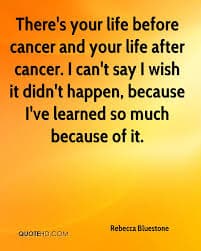
Cancer changes people. They feel different, and some even look different. After months, or even several years, survivors may find a new way of living. “A new normal” some like to call it. Some people may have false ideas about their treatment ending. They think they should be celebrating or that they don’t need any kind of support. Some think they are going to be the person they were before cancer.
Unfortunately, most of the time, these are not true. Recovering from cancer treatment isn’t just about your body — it’s also about healing your mind.
Some things that I have gone through and dealt with being a cancer survivor and some advice I can give you
Take the time you need to accept the fear, grief, and loneliness you’re feeling right now. Then you can take steps to understand why you feel these emotions and what you can do about them.
Fear of recurrence
The fear of your cancer returning is common in cancer survivors. You might worry that every ache or pain is a sign of your cancer coming back. Over time these fears will lessen, though they may never fully go away.
Cope with your fear by being honest with yourself about your feelings. Don’t ignore them or feel guilty that they are there. Take control of those fears and do what you can to influence your future health.
Some things to try:
- Take care of your body. Focus on keeping yourself healthy. Eat a healthy diet. Fit exercise into your day. Get enough sleep so that you wake feeling refreshed.
- Go to all of your follow-up appointments. Even if you don’t want to, make sure that you go. Write down your concerns and discuss them at your next appointment. Knowing more may make you feel more in control.
- Get all of your follow-up tests. Not everyone needs regular scans or blood tests, but all of them are very important.
- Be open about your fears. Tell your friends, family, other cancer survivors, and your doctor about your feelings.
- Keep busy. Get out of the house and find activities that will take your mind off your fears.
Stress
Now that you are done treatment, all those projects around the house and the things on your to-do list are competing for your attention. This can make you feel stressed and overwhelmed.
You don’t need to do everything at once. Take time for yourself as you begin a new daily routine. Try exercising, talking with other cancer survivors and taking time for activities you enjoy.
Depression and anxiety
Remaining feelings of sadness and anger can get in the way with your daily life. For many people, these feelings will dissolve. But for some, these feelings can turn into depression.
Tell your doctor about your feelings. If needed, you can be referred to someone who can help you through talk therapy, medication or both.
Self-consciousness
Changes with your body, whatever it is, might make you feel like you’d rather stay home. You might even withdraw from friends and family.
Take time to grieve. But also learn to focus on the ways cancer has made you a stronger person and realize that you’re more than the scars that cancer has left behind.
Loneliness
You may feel as if others don’t understand what you’ve been through, which makes it hard to relate to other people. This can lead to loneliness.

Don’t deal with loneliness by yourself. Consider joining a support group with others who are having the same emotions you are. Or try an online message board for cancer survivors.
Common Questions About Living After Cancer
I was looking forward to the treatment ends, so why do I have mixed feelings now?
I believe it’s common for people to feel both excited and anxious when their treatment is over. Some may say they need time to stop and give thought to what has happened before they can think about going forward. As a result, this might mean they re-assess and change their values, goals, priorities, and outlook on life.
How you feel and cope depends on the type of cancer and treatment you had, and what your personality is.
Long-term side effects from your treatment also plays a big part. Many cancer survivors have ongoing health issues because of cancer or due to treatment. These can include fatigue, difficulty sleeping, pain, and depression.
My family and friends think my cancer experience is over. Why do I feel like it isn’t?
Just like any family and close friends care for you and it’s natural for them to want the distress of cancer to be behind you. Also, they may not totally understand that the cancer experience doesn’t necessarily stop when treatment ends.
Can cancer be a positive experience?
Many people find there are positive sides to having cancer. and find it life-changing.
Cancer can cause you to look at your life choices and may inspire you to travel, take up new activities or make lifestyle changes. Therefore, this shift is often slow because even positive change can take a while to get used to.
What if I don’t want to make changes after cancer?
You may want to ask yourself: Am I doing what fulfills me? Am I doing what I’ve always wanted to do? What is important to me?
Try some of these tips:
- Expect both good and bad days. Take each day one at a time.
- Do things at your own pace. Try not to rush into making decisions or start new activities.
- Share your feelings and worries with family and friends.
- Try some new type of relaxation, such as meditation, visualization, yoga or deep breathing.
- Keep a journal. Many people find it helps to write down how they’re feeling.
- Go to a survivorship program, if there is one in your area
The Last Thing You Need to Know about Living After Cancer
YOU ARE NOT ALONE!!
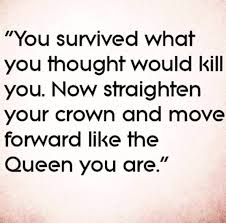
There are so many people with the same feelings and experiences like this. You are so strong and brave to have gone through this horrible thing called CANCER. Now it’s going to be a journey to live after it. And you can, one step at a time.
Make sure to read all my posts on Living Life after Cancer!

[mc4wp_form id=”1254″]